
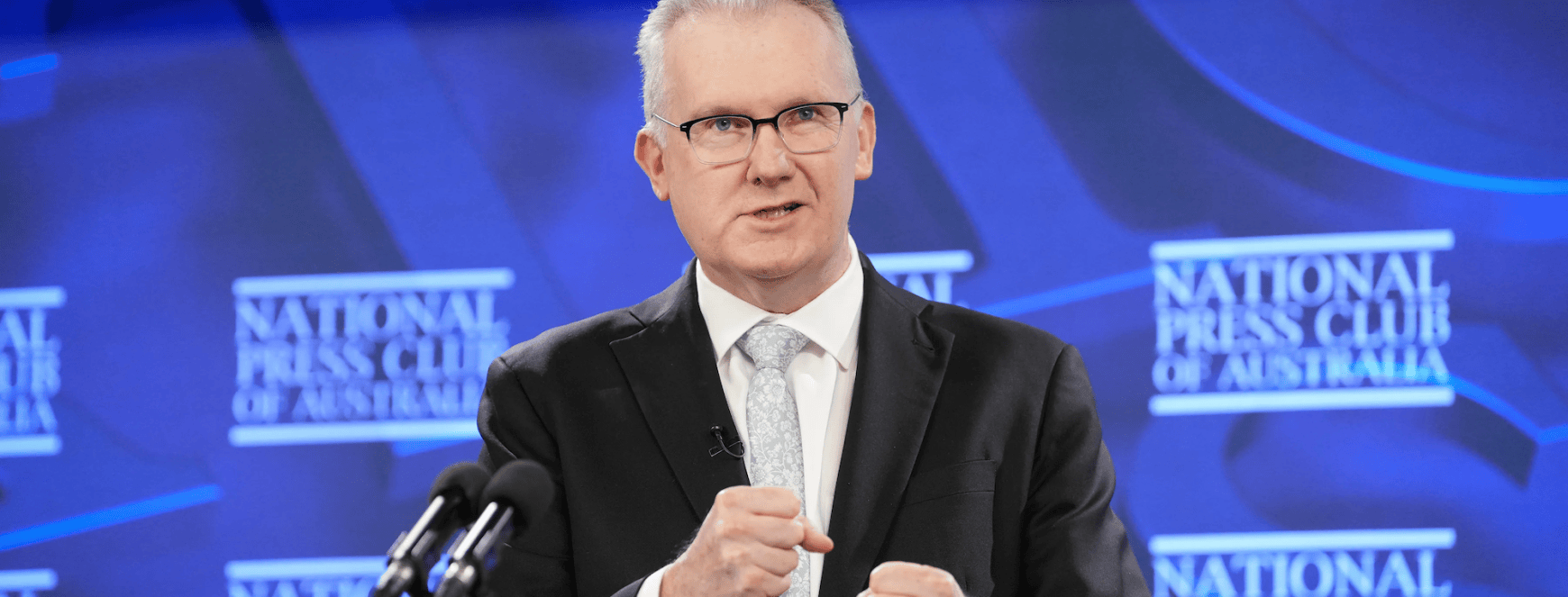
FECCA welcomes Minister for Home Affairs Tony Burke’s recognition that Australia’s migration program must be managed in a sensible and targeted way that protects our economic interests.
FECCA Chair Peter Doukas said migration policy must reflect Australia’s long-term national interests.
“Migration has helped build modern Australia. It has strengthened our economy, sustained essential services and enriched our communities. Turning our backs on migration would mean turning our backs on a significant part of what has made Australia the successful country it is today.
“Australia needs a migration system that is economically responsible, compassionate and based on a long-term assessment of our national needs. Decisions about the size and composition of the program should be guided by labour market evidence, infrastructure planning and Australia’s future skills needs – not short-term political pressure,” Mr Doukas said.
Poorly targeted reductions could remove the very workers Australia needs to build homes, care for older Australians, staff hospitals and support growing industries. Migration is an important engine of Australia’s economic prosperity. Applying the brakes without understanding the wider consequences risks doing lasting damage to our economy.
FECCA is particularly concerned about proposals that would make it harder for international students and skilled migrants to bring their partners and children to Australia.
Skilled migrants and international students are not simply units of labour. They are people with families. The ability to live with their families directly affects whether talented people choose Australia, remain here and contribute over the long term.
FECCA CEO Prerana Mehta said Australia must remain competitive in attracting and retaining global talent.
“Australia competes internationally for the best students, researchers and skilled professionals. We want people to see Australia as a great place to study, build a career and contribute their knowledge. Policies that force people to choose between their families and Australia will send that talent elsewhere,” Ms Mehta said.
We also need to recognise that Australia’s migration story cannot be reduced to a single headline number, swinging like a pendulum to the push and pull of political pressure – net overseas migration is not, by itself, a housing, infrastructure or workforce strategy.
We can have a serious debate about the size and composition of migration without treating established multicultural communities, permanent residents or Australian citizens as outsiders.
Reducing migration will not automatically build more homes, train more workers or improve infrastructure. These challenges require coordinated investment and long-term planning.
This is also not a choice between migration and opportunities for Australian workers. Government should combine targeted skilled migration with genuine investment in local education, training and workforce development. Before restricting the skills coming into Australia, we must also do more to recognise and use the qualifications and experience of people who are already here.
FECCA calls on the Australian Government to ensure any changes are supported by transparent evidence, economic modelling and meaningful consultation with multicultural communities, industry, unions, universities and service providers.
Australia needs a migration system that is orderly and well managed – but also one that remains confident, fair and focused on the country we want to become.
Media contacts:
Carlo Krikowa
+ 61 467 429 763
Mia Ferreira
+61 411 053 369